

Facelift High SMAS technique? Questions for PD Dr. Mathias Tremp
The traditional techniques of face lifting, which primarily involve removing skin, have a short duration of effect and poor wound healing with visible scarring. The problem is the high elasticity during wound healing. Studies show that the so-called SMAS technique (= superficial musculoaponeurotic system), in which the midface is also treated, can achieve a more natural result with long-term effects.
How does the “High SMAS Technique” work?
Skin flap dissections:
A) Minimal B) Limited C) ExtensiveWhat are the benefits of autologous fat treatment in combination with the “High SMAS technique”?
When is autologous fat treatment used?
As a rule, the autologous fat treatment takes place before the face lift.
What are the risks of nerve injury?
What is the “lamellar” preparation technique?
There are different preparation techniques for lifting the SMAS. The SMAS can be lifted and tightened together with the skin (so-called “composite” preparation technique). However, the skin and the SMAS age differently and the tightening of the two layers should be done in different directions. With the “lamellar” preparation technique, the skin and SMAS are approached and tightened separately, the result is more natural.
How is the incision made in front of the ear?
Can a neck lift be performed at the same time as the “High SMAS Technique”?
A simultaneous face lift and neck lift is almost always the best treatment to achieve a natural and harmonious result. It is unusual to have excess skin on the face without any excess skin in the neck region. A neck lift often requires an additional incision under the chin (so-called submental incision).
What kind of anesthesia is necessary?
The procedure is usually carried out under deep sedation (so-called twilight sleep) with a laryngeal mask. This type of anesthesia is gentler than the endotracheal tube and allows spontaneous breathing. However, a consultation with the anesthetist always takes place before the operation.
What should be taken into account after the operation?
After the procedure, you should lie flat without a pillow. You should avoid salty, acidic foods, hard food and alcohol for 2 weeks. Showering with shampoo is permitted after 3 days. The stitches are removed after 5 – 7 days. After about 4 weeks, unrestricted sporting activities are possible. The scar must be protected with a sunscreen SPF 50 for up to a year or regularly treated with a fatty ointment.


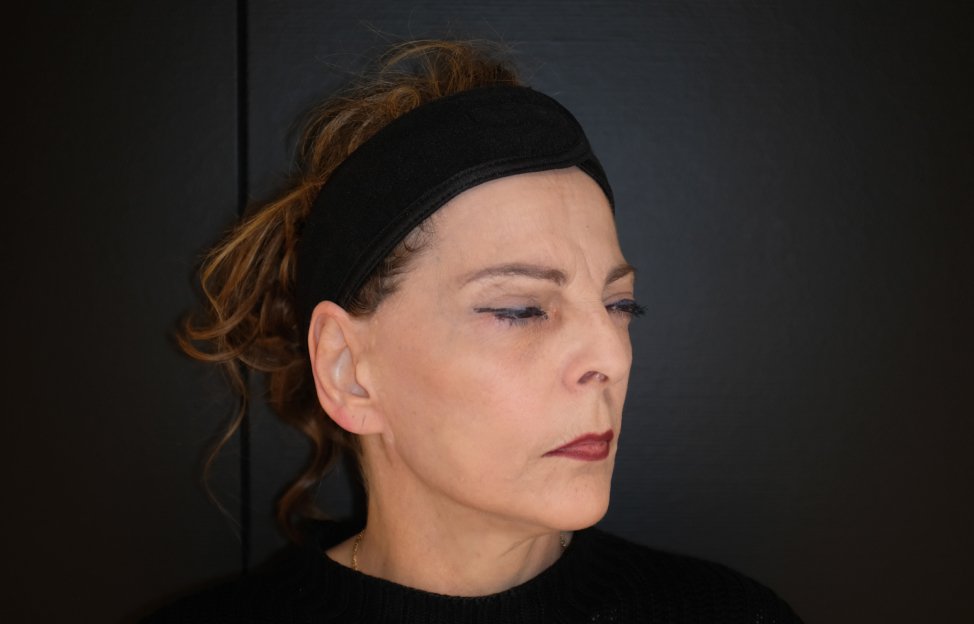 After
After 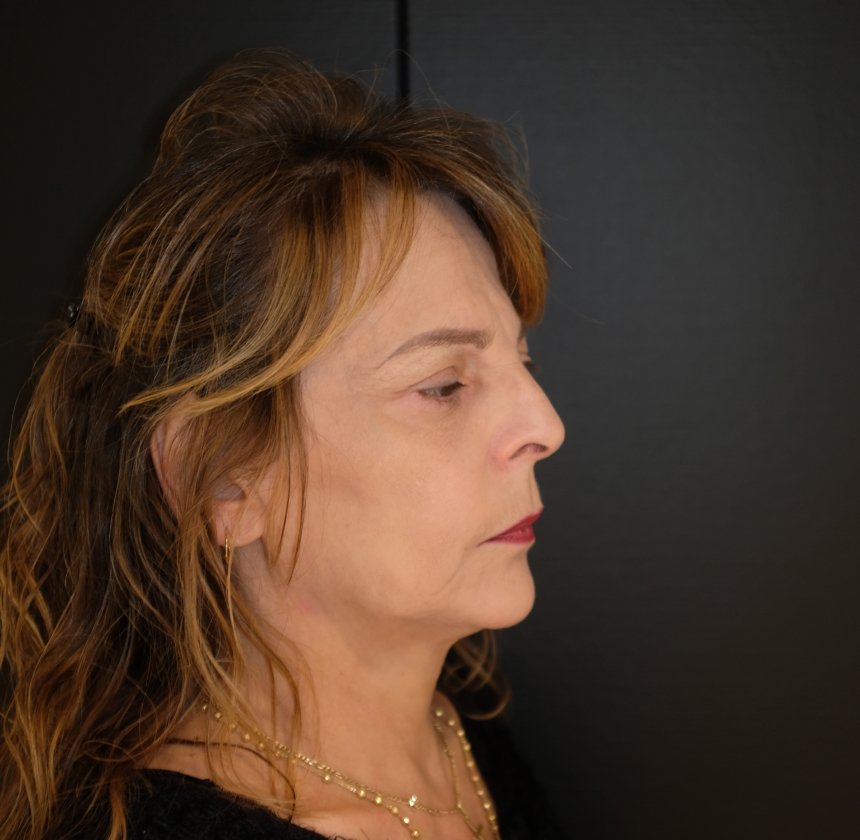 Before
 Do you have any questions about the SMAS facelift?
The best time for a facelift is very individual for each patient. The facelift is suitable for patients who suffer from very severe skin changes, with deep wrinkles and extensive sagging skin.
A facelift is one of the most difficult procedures in the field of plastic surgery and must be performed by an experienced surgeon. Most patients have thought carefully about the step of having a facelift.
During a consultation, PD Dr. Mathias Tremp will provide you with complete information about the procedure, possible complications and the feasibility of the desired facial correction.